
We know how overwhelming it can be when a beloved pet suddenly falls ill or gets injured. At Frontier Vets, we’re committed to supporting high-quality care at home by helping pet parents feel empowered, educated, and prepared for the unexpected.
Not every situation is an emergency, but some are time-sensitive and even life-threatening. Knowing the warning signs and knowing how to respond can save valuable time and potentially your pet’s life. We’ve put together a guide to the most common pet emergencies we see, along with practical first-aid tips to help you stay calm and act quickly until you can get your sick animal to your vet.
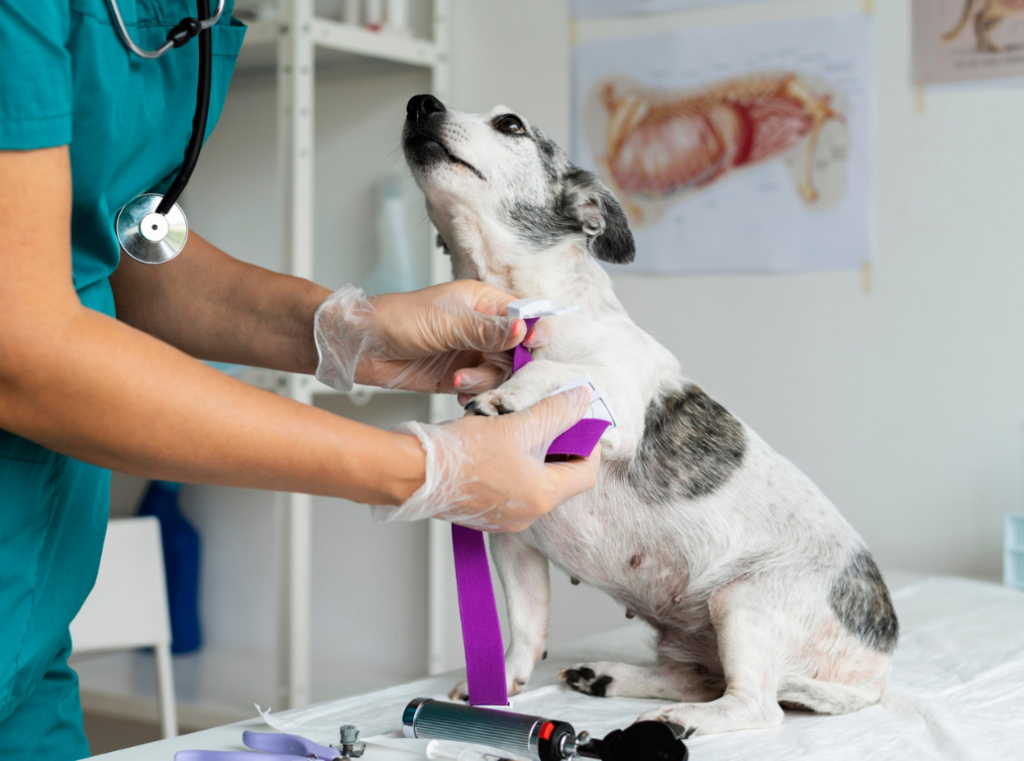
How to Recognise a Pet Emergency
Here are some red flags for sick animals that always warrant a call to your vet or a trip to the clinic:
- Difficulty breathing
- Seizures or loss of consciousness
- Heavy bleeding or deep wounds
- Not passing urine or straining to urinate
- Ingesting a known toxin or poison
- Trauma from a fall, accident, or animal bite
- Collapse, weakness, or disorientation
Never wait and worry. If you are unsure, call us! It’s always better to check than to leave a sick animal untreated.

10 Most Common Sick Animal Emergencies (and What to Do)
1. Vomiting & Diarrhoea
While occasional vomiting or an upset tummy is common, a very sick animal may need supportive care to recover. Red flags include persistent vomiting or diarrhoea, especially if there is blood, your pet can’t keep water down, or they are lethargic.
First aid tip: Withhold food for a few hours and offer small amounts of water frequently. Contact your vet if symptoms persist for more than 24 hours, or sooner if symptoms worsen and your pet becomes lethargic or if your pet is very young, old, or has other health issues.
2. Trauma (Falls, Bites, Accidents)
Small wounds can be much more serious than they appear. Sick animals can potentially go into shock after trauma, meaning an injured or sick animal may not show immediate signs of internal injuries.
First aid tip: Cover open wounds with a clean cloth and apply gentle pressure. Keep your pet calm and restrict movement, using a towel as a stretcher if needed. Bring any sick or injured pets in for a full examination.
3. Breathing Difficulties
Laboured breathing, wheezing, open-mouth breathing (especially in cats), or excessive panting can signal something serious like heart disease, asthma, or airway obstruction.
First aid tip: Breathing trouble is always an emergency for animals – sick or not. Keep your pet calm and cool, avoid offering food or water, and head to your vet immediately.
4. Seizures
Seizures in pets can range from a brief episode to multiple seizures in a short span and are distressing to witness. Seizures often indicate a very sick animal.
First aid tip: Do not restrain your pet or put your hands near their mouth. Clear the area of objects and time the seizure. Seek urgent care if seizures repeat or last longer than 5 minutes. It is important for the veterinarian to know how your pet behaved before the seizure, how long the seizure was and the behaviour after the seizure. If possible, record this by taking videos, however it is more important to get your pet to a veterinarian, so do not prioritize the videos over arranging transport.
5. Urinary Blockages
Most commonly seen in male cats, a urinary blockage is a painful and life-threatening condition.
Signs: Straining, yowling, frequent attempts to urinate, licking the area, restlessness.
First aid tip: This is an emergency. Keep your pet comfortable and seek immediate veterinary help for your sick animal.
6. Poisoning
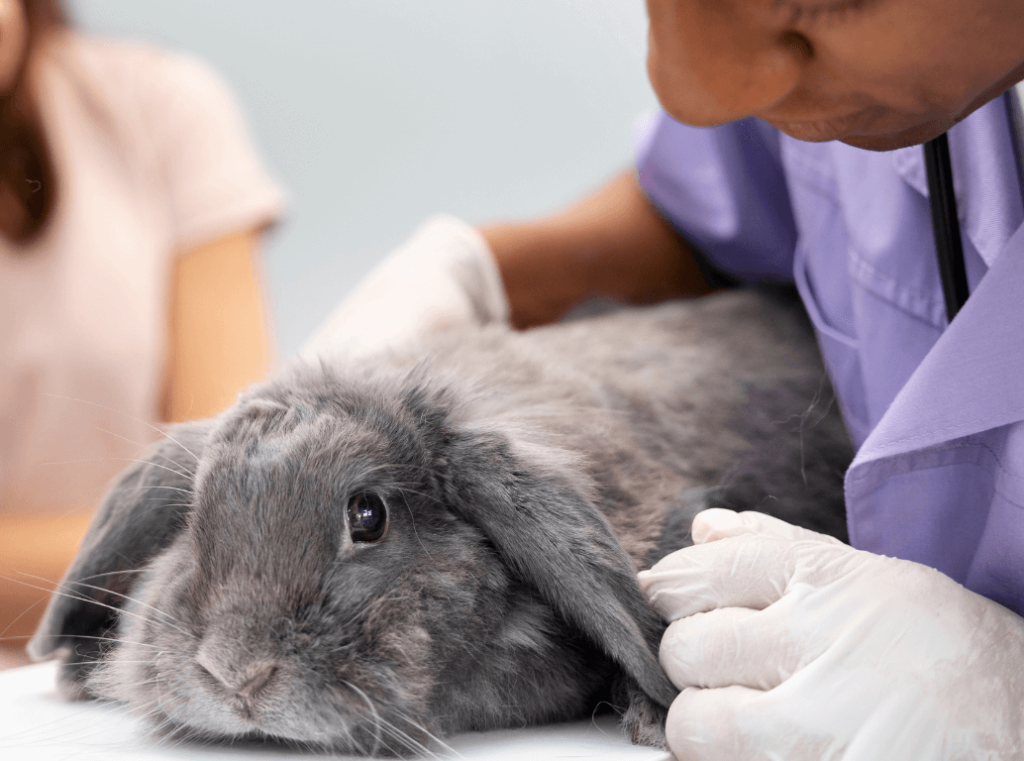
Pets may ingest toxic substances like chocolate, antifreeze, pesticides, human medications, or certain plants (e.g., lilies for cats, delicious monsters for dogs, and avocado for birds).
First aid tip: Poisonings are potentially life threatening and can make your animal feel very sick and hence need urgent attention. Save any packaging or labels and call your vet with the details. Do not induce vomiting unless your vet tells you to.
7. Eye Injuries
Eye injuries are painful and often indicate that something is wrong with your pet. Redness, discharge, swelling, and pawing at the eye are all signs of an eye issue that can escalate quickly.
First aid tip: Prevent your pet from rubbing the eye and get them examined as soon as possible. Flush the affected eye with saline if safe to do so, do not use milk.
8. Allergic Reactions (Stings, Bites)
Common signs of allergic reactions in pets include facial swelling, hives, itching, or (more rarely) difficulty breathing.
First aid tip: Apply a cold compress to the area. Contact your vet urgently if the swelling worsens or your pet seems distressed. Monitor your pet for any sudden changes. Certain stings and bites can have serious effects on your pets health.
9. Heatstroke
Namibia’s hot climate puts pets at risk of heatstroke, especially if they’re left in a car or overexerted in midday heat.
Signs: Heavy panting, drooling, collapse, disorientation, bright red gums and vomiting.
First aid tip: Call your vet immediately – an animal suffering from heatstroke needs urgent care. Move your pet to a shaded area and use cool (not cold) wet towels on their neck, armpits and groin, do not leave the wet towels on for too long as this could insulate your dog and heat up further. Do not use ice cold water as this can seriously worsen the situation.
10. Whelping/Kitting Emergencies
Complications during labour in dogs and cats can be life-threatening to both mom and babies.
First aid tip: Labour issues can quickly become critical. Call your vet if your pet has intense contractions with no progress or more than 2 hours pass between deliveries. Do not pull on visible puppies or kittens. Call your vet if your pet has any of the following signs:
- Intense contractions with no progress after 30 minutes
- More than 2 hours pass between deliveries. (Do not pull on visible puppies or kittens)
- Obvious signs of distress
- Abnormal discharge (green, dark or foul smelling)
- Excessive bleeding
- A Puppy stuck in the birth canal for more than 5 minutes
- Muscle tremors
Essential First Aid Tips for Pets & Sick Animals
The right response in the first few minutes of a pet emergency can make a world of difference. Here’s how to manage the situation safely and calmly while you get your pet the care it needs:
- Stay calm: Breathe and focus; our pets can sense when we are anxious.
- Protect yourself: Injured, scared, or very sick animals may bite. Use a thick towel or a muzzle if needed (never muzzle a vomiting pet).
- Don’t self-medicate: Always consult your vet before giving ANY medication to your pet.
- Call ahead: Let your vet know about your pet emergency so we can quickly prepare to help your beloved companion.
- Keep a pet first aid kit at home: Include items like gauze, saline solution, gloves, a digital thermometer, towels, and emergency contact numbers.
When to Call Frontier Vets
When an emergency strikes, being prepared makes all the difference. If you’re ever unsure, call us. Whether it’s a late-night emergency or something just feels off, we’d rather walk you through what to do than have you wait it out at home with a sick animal.
At Frontier Vets, no animal is excluded from care. We’re proud to treat all creatures brought into our hospital. From small pets and livestock to equine, birds, reptiles, and wildlife.
Contact us today to chat through any concerns, book a health check, or ask for help preparing your pet first aid kit. If you have any questions or would like to discuss the procedure further, get in touch with us at Frontier Vets, or follow us on Facebook and Instagram for more insights.