
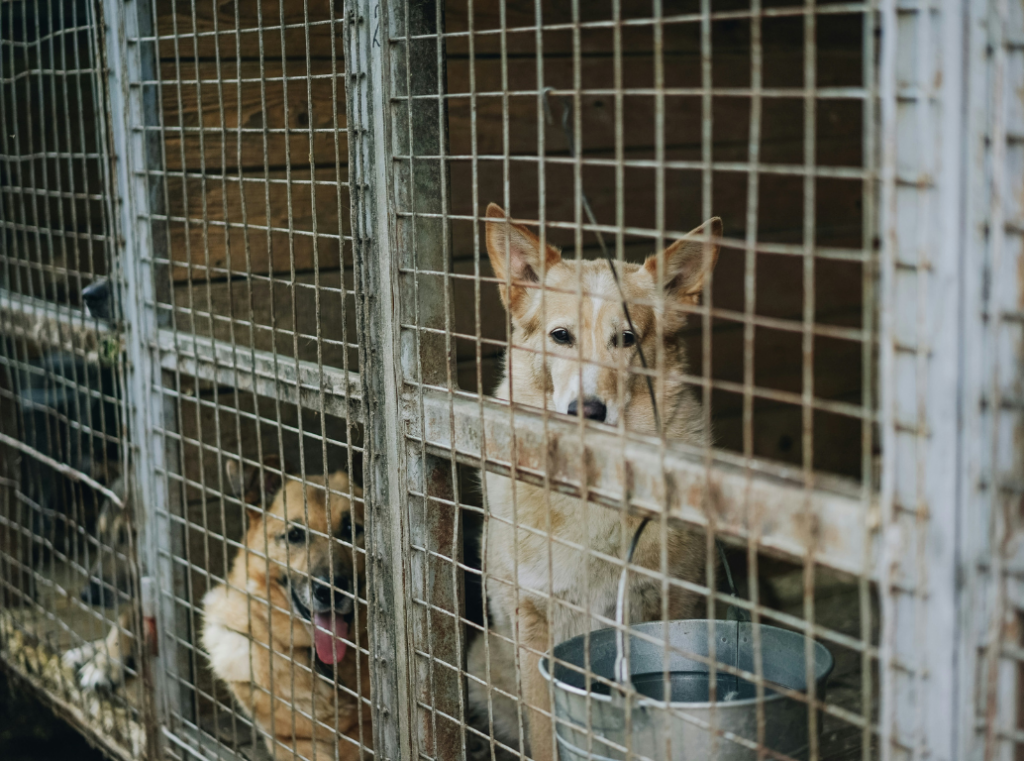
Namibia is facing a growing pet overpopulation crisis, with an estimated 158,000+ dogs and 56,000+ cats in the country. Many of these animals end up on the streets or in overcrowded shelters due to uncontrolled breeding. It has become essential to spay and neuter our pets as essential measures to manage this issue. Spaying (for females) and neutering (for males) help to manage the pet population, improve animal welfare, and promote public health and safety.
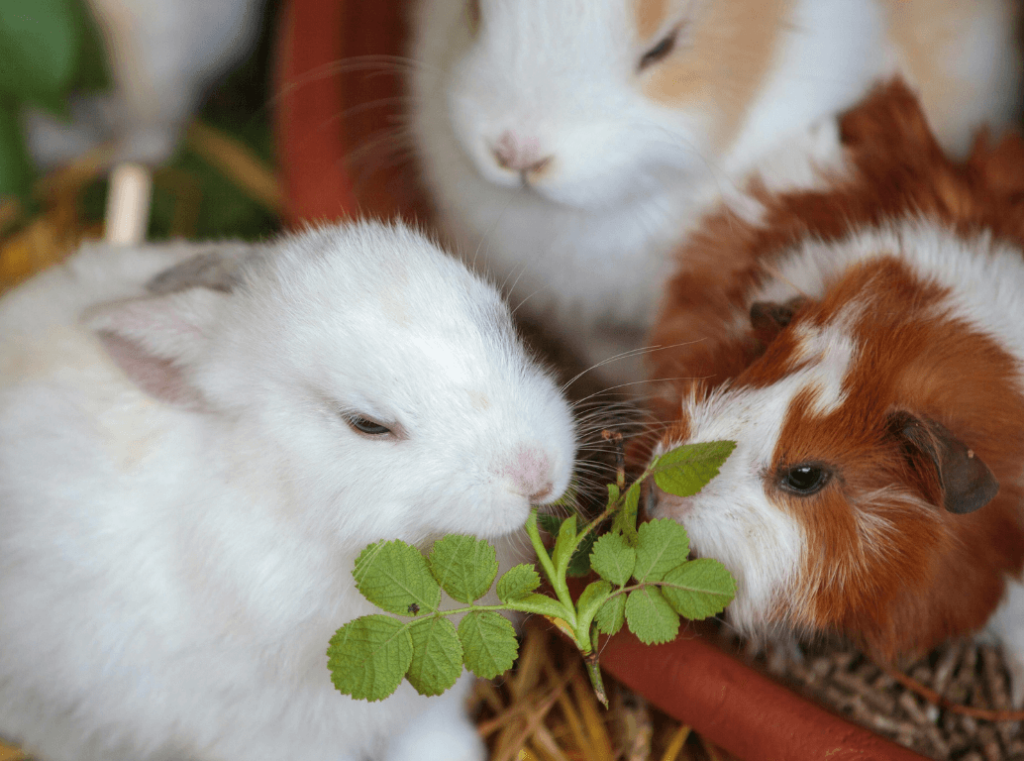
While most discussions focus on dogs and cats, sterilisation is equally important for other animals, including rabbits, guinea pigs, and even larger animals like horses. Many small mammals, such as hamsters and rats, reproduce rapidly, leading to populations in homes and shelters that are difficult to manage and control. Wildlife conservation efforts also benefit from sterilisation programmes, especially for species affected by human expansion.
Why Spay or Neuter Your Pet?
1. Controlling pet overpopulation
Pet overpopulation is a serious concern, particularly in urban areas where unplanned breeding contributes to the increasing number of stray animals. Studies indicate that a single unspayed female dog and her offspring can produce over 60,000 puppies in six years, while an unspayed female cat and her kittens can lead to over 420,000 kittens in just seven years. Smaller pets (like rabbits) can quickly become unmanageable if left to breed unchecked. In some cases, abandoned domestic rabbits form feral colonies, which negatively impact the environment.
Pet owners who choose to spay and neuter are helping to break the cycle of animal overpopulation and reduce the strain on rescue organisations and shelters.
2. Health benefits for your pet
The medical advantages of pet sterilisation are well documented:
For females
- Spaying eliminates the risk of pyometra (a life-threatening uterine infection common in dogs and cats but can also develop in other animals, including horses, livestock, rabbits and hamsters)
- Spaying significantly reduces the likelihood of mammary and ovarian cancers in dogs and cats.
- For dogs, spaying before the first heat cycle lowers the risk of mammary tumours by over 90%.
For males
- Neutering prevents testicular cancer and reduces the risk of prostate disorders in dogs and cats, which become increasingly common with age.
- Neutering reduces the risk of hormone-driven conditions such as aggressive behaviour and territorial disputes, which are particularly important in male rabbits and guinea pigs.
Additionally, sterilised pets tend to have longer lifespans. A study by the University of Georgia found that neutered male dogs live an average of 18% longer, while spayed female dogs live about 23% longer than those that haven’t been fixed.

3. Behavioural benefits
Sterilisation is also known to positively influence pet behaviour:
- Neutered males are less likely to roam, mark their territory with urine, or show aggressive behaviour, decreasing the likelihood of territorial fights and injury.
- A lower risk of roaming also means sterilised pets are less likely to be hit by vehicles or get lost.
- Neutered male rabbits show less aggression, making them more suitable as household pets.
- Spayed females do not experience heat cycles, which can be stressful for them and often lead to unwanted attention from males.
- Gelding (neutering of stallions) helps to manage horse temperament and make them easier to handle and train.

4. Community & public health benefits
Wildlife populations are often indirectly impacted by unsterilised pets. Feral cats, for example, pose a threat to native bird species, while stray dogs may compete with wild predators for resources. Sterilising our pets plays a role in preserving local wildlife and maintaining a balanced ecosystem.
Additionally, a high stray population contributes to disease transmission, including rabies, canine distemper, and feline leukaemia. Reducing the number of strays will help minimise the risk of disease spread to both animals and humans, and the World Health Organisation (WHO) has identified sterilisation as a key method in rabies control (alongside vaccination campaigns).

When Should You Spay or Neuter Your Pet?
The best timing for sterilisation depends on an animal’s species, breed, and overall health. Always consult with a veterinarian to determine the best approach for your pet’s specific needs.
Here are the general guidelines:
- Dogs: Neuter or spay typically around 6-9 months for dogs, though larger breeds may need to wait 12-18 months due to joint development considerations.
- Cats: Spay or neuter before 5 months to prevent early pregnancies and reduce the risk of unwanted spraying (territorial urine marking) behaviour. Neutering cats early helps to prevent hormone-driven aggression and territorial brawls.
- Rabbits & guinea pigs: Neuter around 4-6 months for population control and to reduce hormone-driven aggression.
- Horses: Gelding is often done before the age of two to improve temperament and manageability.
- Other animals: Traditionally, it is ideal to spay or neuter your pet before they reach sexual maturity to minimise the risk of reproductive cancers.
Sterilisation is not just for dogs and cats. Small mammals, livestock, and even exotic pets also benefit from this preventive measure. If you are unsure about the right time for your animal, a consultation with your veterinarian is the best course of action.

The Role of Responsible Pet-Ownership
There is no responsible pet ownership without sterilisation. Given Namibia’s growing pet population and limited shelter resources, choosing to spay and neuter plays a huge role in reducing animal suffering and improving overall welfare. While some worry about the procedure, the long-term benefits far outweigh any concerns.
Responsible pet owners contribute to a healthier, safer environment for animals and humans by making the informed choice to sterilise. If you have any questions or would like to discuss the procedure further, get in touch with us at Frontier Vets, or follow us on Facebook and Instagram for more insights.